How Retailers Are Using Custom Toothpaste to Build Private Label Lines Without a Lab
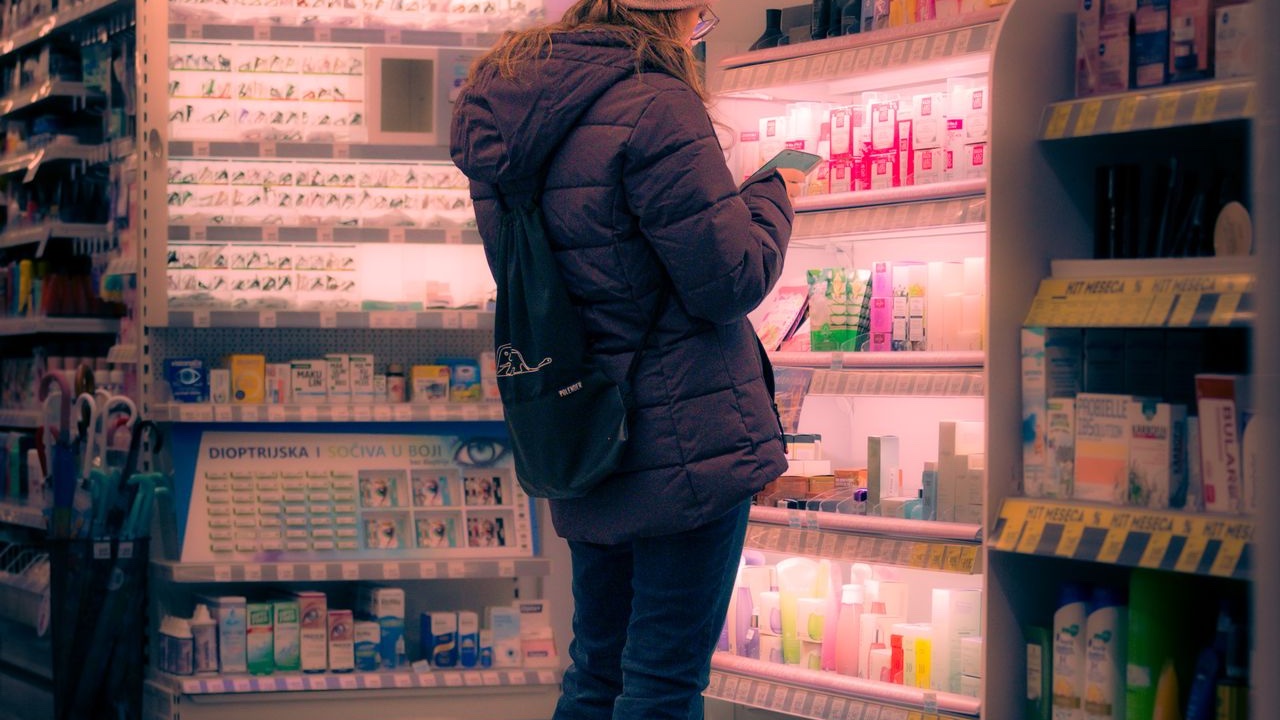
Private label oral care used to be the territory of large pharmacy chains and grocery conglomerates with enough volume to justify the infrastructure. That’s changed. A combination of lower minimum order quantities from OEM manufacturers, improved logistics for smaller brands, and consumer willingness to buy less-familiar names in personal care has opened the door for a broader range of retailers to put their own toothpaste on shelf.
The interesting part is that most of the retailers doing this successfully aren’t formulation experts. They’re not running labs or employing chemists. They’re running the process well — picking the right manufacturing partner, making smart decisions about packaging and positioning, and understanding their customer well enough to know what formula direction to take.
Who’s Actually Doing This
The clearest examples are in a few distinct categories.
Independent pharmacies and regional chains. A pharmacy that carries fifteen national brands of toothpaste can stock a sixteenth that happens to carry its own name. The customer is already in the store, already trusting the pharmacy’s recommendation on health products, and already reaching for something on that shelf. A house brand at a competitive price point with decent formulation captures margin that was previously going to someone else’s brand.
Specialty wellness retailers. Natural grocery chains, zero-waste shops, and supplement stores have built audiences that are actively looking for alternatives to mainstream brands. A custom fluoride-free formula with a clean ingredient list fits naturally into the assortment these customers are already browsing. The retailer’s existing brand equity does a lot of the trust-building work.
DTC brands expanding into oral care. A brand that’s built an audience in personal care — skincare, haircare, wellness supplements — often has customers who would buy a toothpaste from them if one existed. Launching into oral care as an extension of an existing brand is lower-risk than building from scratch because the distribution and customer relationship already exist.
Hotel and hospitality. Amenity programs that go beyond the generic branded miniatures have created a legitimate B2B market for custom formulated toothpaste. Boutique hotels and hospitality groups increasingly want amenities that reflect their brand identity rather than a generic option with a large manufacturer’s name on it.
What the Process Looks Like Without an In-House Lab
The practical reality for most retailers building a private label toothpaste is that they’re directing a process rather than doing the formulation work themselves.
It typically starts with a formula brief — a document that describes what you want the product to do, who it’s for, what the flavour profile should be, whether it’s fluoride or fluoride-free, any claims you want to make, and any ingredients you need to avoid. You don’t need chemistry expertise to write this. You need clarity about your customer and your brand positioning.
The manufacturer’s formulation team translates that brief into sample candidates. You evaluate those samples, give feedback, and iterate. The number of rounds varies — simple variations on established bases might take one or two rounds, more novel directions might take four or five. This is the stage where most retailers learn the most about what they actually want, because putting an actual product in your hands is a faster route to clarity than a spreadsheet.
Once you’ve approved a formula and packaging combination, the manufacturer produces to your spec. A good wholesale custom toothpaste partner handles the stability testing, regulatory documentation, and batch records — the paperwork infrastructure that most retailers don’t have the in-house capacity to manage. That’s a meaningful part of what you’re paying for when you work with a qualified OEM manufacturer rather than a commodity filler.
The Packaging Decision Is Underrated
Retailers frequently underestimate how much packaging influences perception at the shelf level. A formula that performs well in a tube that looks cheap communicates the wrong thing — customers have strong, mostly unconscious associations between packaging quality and product quality in personal care.
The major packaging decisions: tube material (plastic laminate versus aluminum versus sugarcane-based), cap style (flip-top versus screw cap versus stand-up), and size range (a travel size and a full size serve different purchase occasions). Each choice affects cost, MOQ, and lead time.
One thing worth knowing: the packaging often has a longer lead time than the product itself. Custom-printed tubes from a supplier that hasn’t worked with your design before can take eight to twelve weeks. Retailers who learn this for the first time after they’ve committed to a launch date end up delaying. Build packaging lead time into your project schedule before you set your launch date, not after.
What to Expect on the Commercial Side
MOQs for private label toothpaste have come down significantly from where they were ten years ago. Depending on the manufacturer and the formula complexity, first orders in the range of 5,000 to 20,000 units are achievable for most retail applications. Some manufacturers will go lower for simple base formulas with standard packaging.
The unit cost scales with volume in a non-linear way. The jump in unit cost from 50,000 units to 10,000 units is often larger than the jump from 200,000 to 50,000. If your initial order is on the smaller end, build that into your retail pricing from the start — the margin on a first production run is typically thinner than subsequent orders.
Regulatory costs are separate from manufacturing costs. If your product is going into the US market and contains fluoride, you’re looking at OTC drug registration requirements. If you’re entering the EU market, you’ll need a Cosmetic Product Notification through the CPNP portal and a safety assessment. These have associated costs and timelines that affect your go-to-market schedule.
The Realistic Timeline
From brief to first delivery, a well-managed private label toothpaste project typically runs four to seven months. That covers formulation and sample review, packaging development, stability testing, compliance documentation, production, and shipping.
Projects that run longer than that usually do so for one of a few reasons: formula direction changed significantly mid-way through sample review, packaging specification wasn’t finalized before production was scheduled, or regulatory requirements in the target market weren’t fully mapped at the start.
Retailers who’ve done this successfully treat the first launch as a learning exercise as much as a commercial event. The formula and packaging you launch with won’t be what you eventually optimize to, and that’s fine. Getting a product to market, watching how customers respond, and iterating on the second run is a faster path to a product that sells well than trying to make every decision perfectly before you’ve sold a single unit.
The infrastructure required — manufacturing, formulation, compliance documentation — is all available through the right OEM partner. What the retailer brings is the customer relationship, the distribution, and the brand context that makes the product mean something on a shelf.